The Ultimate Succession Planning Guide
A succession planning guide gives businesses a clear process for identifying and developing people who can step into key roles when the time comes. It removes the panic that follows an unexpected resignation, a retirement, or a leadership change by making sure the right people are already being prepared. Companies that plan for leadership transitions in advance experience less disruption, stronger employee retention, and faster recovery when key roles change hands.
This guide covers what succession planning is, how to build a process that works, and why growing businesses cannot afford to skip it.
What Is Succession Planning?
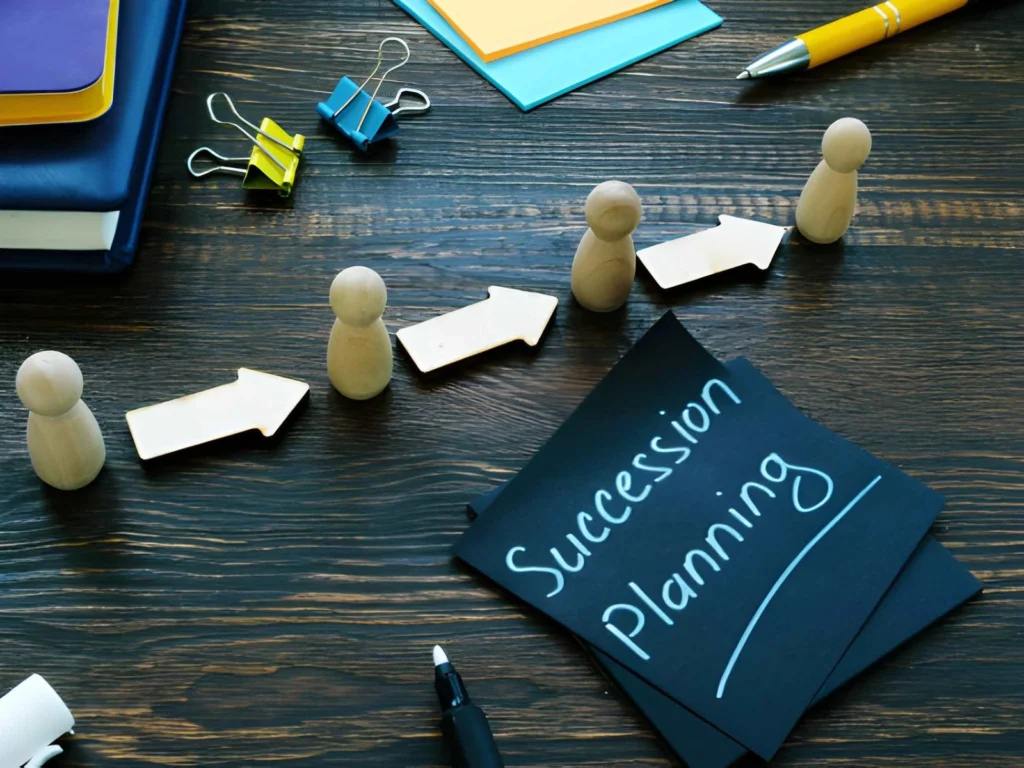
Succession planning is the process of identifying critical roles in a business and developing internal talent to fill them when needed. It is not just a corporate exercise for large companies. Any business with key people driving important outcomes needs a plan for what happens when those people move on, move up, or move out.
The process starts by asking a simple but uncomfortable question: if this person left tomorrow, what would happen? For most businesses, the honest answer reveals serious gaps. Succession planning closes those gaps before they become a crisis. It also sends a clear message to employees that the company is invested in their growth, which directly supports long term retention.
For Houston businesses operating in a competitive talent market, succession planning is also a recruiting advantage. Candidates want to join organizations where growth is possible and leadership opportunities are real, not promised and forgotten.
Why Succession Planning Matters for Growing Businesses?
Most small and mid sized businesses put succession planning off because it feels like something only large corporations need. The reality is the opposite. Smaller businesses are often more vulnerable to leadership gaps because fewer people carry more responsibility. Losing one key person can stall projects, damage client relationships, and create a domino effect across the whole team.
A strong talent acquisition strategy supports succession planning but cannot replace it. Hiring from outside is slower and more expensive than developing someone who already knows the business, the culture, and the team. Internal candidates are also more likely to stay long term because they feel the organization invested in them.
HR Strategic Planning connects directly to succession planning as well. When leadership pipelines are mapped out alongside budget forecasts and hiring timelines, the whole people strategy becomes more coherent. Leaders stop making isolated decisions and start building toward a shared picture of where the organization is going.
For many small and mid sized businesses in Houston, the biggest barrier to succession planning is not the will to do it, it is the lack of senior HR leadership to own the process. A Fractional CHRO in Houston brings the executive level experience needed to identify critical roles, assess internal talent, and build a succession plan that actually gets used.
Core Elements of a Strong Succession Plan
A succession plan that actually works is built on a few key components that work together over time.
1. Identifying Critical Roles
Not every role needs a succession plan, but the ones that do need one urgently. Critical roles are positions where a vacancy would immediately disrupt operations, client service, or revenue.
Start by mapping these roles and asking who currently fills them and who could realistically step in within six to twelve months with the right development.
2. Assessing Internal Talent
Succession planning requires an honest look at who is already in the organization and what they are capable of. This is not about picking favorites. It is about identifying employees who have the skills, the drive, and the potential to take on more responsibility.
Our Performance Management service in Houston helps businesses build assessment frameworks that make this process fair, consistent, and based on real data rather than perception.
3. Building Development Plans
Identifying a successor is only the first step. The real work is developing them. That means giving them stretch assignments, mentorship, exposure to senior leadership, and access to training that builds the skills they will need in the target role.
Our Houston Training and Development service creates structured development plans that move high potential employees forward with a clear timeline and measurable milestones.
4. Documenting the Plan
A succession plan that lives only in someone’s head is not a plan. It needs to be written down, reviewed regularly, and updated as the business and the people in it change.
Documentation also protects the business from knowledge loss when experienced employees retire or leave, since their processes and institutional knowledge are captured before they walk out the door.
Connecting Succession Planning to Retention
Succession planning and retention are more connected than most businesses realize. Employees who see a clear growth path inside the organization are far less likely to look for one elsewhere. When high potential employees know they are being developed for a future role, their engagement goes up and their likelihood of leaving goes down.
Employee Retention Strategies become much stronger when succession planning is part of the picture. Recognition, career development, and visible investment in future leadership all send the same message: this company sees a future for you here. That message is hard for competitors to match with a higher salary alone.
Tracking the right HR Metrics also matters here. Promotion rate, internal mobility, and retention of high potential employees are the numbers that show whether a succession plan is actually developing people or just sitting in a document. A plan that looks complete but never moves these numbers needs to be revisited.
Succession Planning and Workforce Strategy
Succession planning does not sit in isolation. It is one part of a broader workforce strategy that connects hiring, development, and long term business goals into one direction.
Workforce Planning and succession planning work hand in hand. Workforce planning looks at what the business will need in terms of headcount and skills over the next few years. Succession planning ensures the leadership and key talent to meet those needs are being developed from within. Together they reduce the organization’s dependence on external hiring and make growth more predictable.
Our HR Strategy and Planning service in Houston help businesses build this connection deliberately, mapping succession goals onto workforce forecasts so both plans reinforce each other rather than operating as separate efforts.
HR Technology Trends are also changing how succession planning is done. Modern HR platforms track performance data, flag high potential employees, and model different succession scenarios automatically. This takes the guesswork out of identifying successors and makes the whole process faster and more objective.
Common Succession Planning Mistakes to Avoid
Many succession plans fail for the same predictable reasons. The first is planning only for the top. Focusing only on executive roles ignores the mid level managers and technical experts who often drive the most day to day value. A strong plan covers critical roles at every level, not just the C suite.
The second mistake is treating succession planning as a one time project. The business changes, people change, and priorities change. A succession plan reviewed only once a year at most is already out of date most of the time. Building regular check ins into the process keeps it current and relevant.
The third mistake is keeping the plan secret. Employees who do not know they are being developed for a future role cannot prepare for it. Transparency about growth opportunities builds trust and keeps high potential employees engaged rather than wondering whether their effort is being noticed.
An HR Planning Checklist is a practical way to stay on top of these reviews. It ensures succession milestones, development plan updates, and role assessments are all checked on a set schedule, so the plan stays active rather than collecting dust.
How to Know If Your Succession Plan Is Working?
A succession plan that is working shows up in the numbers. Internal promotion rate is one of the clearest signals. If the business consistently promotes from within when key roles open, the development pipeline is doing its job. If every leadership opening goes to an external hire, the internal pipeline needs attention.
Retention of high potential employees is another important indicator. If the people identified as future leaders keep leaving, the plan is not developing or engaging them well enough. Combining succession data with insights from How to Build an HR Strategy helps leaders see the connection between people development and long term business stability.
Reactive Leadership Gap vs Proactive Succession Planning
| Area | Reactive Approach | Proactive Succession Planning |
|---|---|---|
| Leadership Gaps | Addressed after someone leaves | Anticipated and prepared for in advance |
| Talent Development | Happens informally or not at all | Structured with clear timelines |
| Internal Promotion | Rare and inconsistent | Regular and data driven |
| Knowledge Retention | Lost when key people leave | Documented and transferred proactively |
| Employee Engagement | Not connected to growth | Tied directly to visible career paths |
| Business Disruption | High when key roles turn over | Minimized through preparation |
Conclusion
Succession planning is not a luxury reserved for large corporations. It is a practical business tool that protects against disruption, develops internal talent, and builds a culture where growth is visible and real. Growing businesses that start building their succession plan early avoid the chaos that comes from losing a key person with no one ready to step in.
InclusivEdge Consulting works with Houston businesses to build succession plans that are practical, connected to real workforce data, and designed to keep the business moving forward no matter what changes come.





2 Comments