Workforce Planning: A Complete Guide for HR Leaders
Workforce planning is the process of matching the right number of people, with the right skills, to what a business actually needs over the coming months and years. It covers demand forecasting, skills gap analysis, succession planning, and seasonal staffing, all working together to prevent shortages before they happen. HR leaders who treat this as an ongoing process instead of a once a year exercise avoid the scramble that comes with sudden growth or a busy season nobody prepared for.
This guide walks through what workforce planning includes, why it matters, and how it stacks up against traditional reactive hiring.
What Workforce Planning Really Means?
At its core, workforce planning asks a simple question well ahead of time: how many people will the business need, doing what work, and when. This differs from basic staffing, which usually reacts to an open seat after someone leaves or a new project gets approved. A workforce plan instead looks at revenue targets, project pipelines, and known retirements to build a staffing picture months before the need becomes urgent.
Good workforce planning also accounts for the type of work changing over time, not just the headcount number. A company might keep the same number of employees but need very different skills two years from now, especially as technology shifts how certain roles get done.

Why HR Leaders Cannot Skip Workforce Planning?
Businesses that skip this step tend to hire in a panic, which almost always costs more and takes longer than planned hiring. A role left open for months because nobody saw it coming often forces the rest of the team to cover the gap, which drives burnout and eventually more turnover. That cycle feeds on itself, since a burned out team is more likely to lose additional people right when the business can least afford it.
There is also a financial cost to skipping this work that shows up in ways many leaders do not track closely. Rushed hiring often means settling for a candidate who is not quite the right fit, which raises the odds of an early departure and another costly search.
The Core Parts of a Workforce Plan
A complete plan rests on four pieces that work together rather than as separate checklist items.
1. Demand Forecasting
Demand forecasting starts with the business plan, pulling from revenue targets, expansion timelines, and known project pipelines to estimate future staffing needs. This forecast should get updated regularly, since business conditions shift and a plan built on old numbers quickly loses accuracy. Our AI-Powered HR Transformation tools help Houston businesses pull this forecast from real payroll and sales data instead of rough estimates built by hand.
A strong forecast also separates growth hiring from replacement hiring, since these two categories need very different planning approaches. Growth hiring depends on business expansion timelines, while replacement hiring depends on expected turnover rates within each department.
2. Skills Gap Analysis
A skills gap analysis compares the abilities the current team has against what the business will need going forward, often revealing gaps nobody had flagged before. This step works best when paired with regular performance reviews, since review data often shows where teams are strongest and where training would help most. Our Performance Management service in Houston give businesses the review data needed to spot these gaps early rather than after a project stalls.
Once a gap is identified, the business has two paths: train current staff or hire new talent with the missing skill already in place. Training is often cheaper and boosts retention, since employees value the investment in their growth, while hiring brings in fresh expertise faster when time is tight.
3. Succession Planning
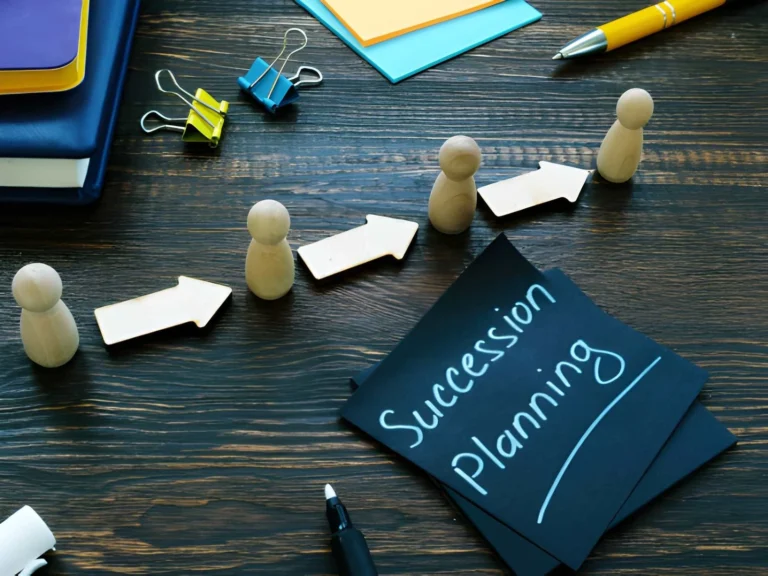
Succession planning identifies who could step into key roles if a current leader leaves, retires, or gets promoted elsewhere in the company. Without this in place, a sudden departure in a leadership role can stall decision making for months while the business searches externally.
Building this pipeline takes intentional development, not just noting a name on a list and moving on. Our Houston Training and Development programs help businesses turn this list of names into a real pipeline of ready leaders.
4. Seasonal Staffing Needs
Many businesses see predictable swings in demand tied to a season, a holiday period, or a local event calendar. Workforce planning maps these patterns out in advance, so temporary staffing or overtime budgets get set before the busy period arrives rather than during it. This is especially true for Recruitment and Talent Acquisition work in Houston, where seasonal hiring windows can close fast if a plan is not already in motion.
Seasonal planning also benefits from looking back at prior years, since demand patterns often repeat with only small variations. A business that tracks how many temporary staff it needed last year, and when those hires were made, can build a much tighter seasonal plan the next time around.
Workforce Planning vs Traditional Hiring
Traditional hiring waits for a role to open before starting any search, which almost always means a gap in coverage while the position sits empty. This reactive approach might work for a very small team with simple staffing needs, but it breaks down quickly as a company grows and roles become more specialized.
Workforce planning flips this timeline by starting the search process before the gap actually appears, using forecasts and succession data to stay ahead of need. This does not eliminate all surprises, since people leave unexpectedly and business conditions shift, but it shrinks the gap dramatically compared to a fully reactive approach.
Workforce Planning Snapshot
Here is a quick comparison of how planned staffing differs from reactive hiring across a few key areas.
| Area | Reactive Hiring | Workforce Planning |
|---|---|---|
| Timing | Starts after a role opens | Starts months in advance |
| Cost | Higher due to rush fees | Lower with planned timelines |
| Fit Quality | Often rushed decisions | Careful, well matched hires |
| Seasonal Coverage | Scrambled last minute | Planned around known patterns |
| Leadership Gaps | Filled externally, slow | Filled internally, faster |
Conclusion
Workforce planning turns staffing from a constant fire drill into a process HR leaders can actually manage ahead of time. It connects demand forecasting, skills gaps, succession planning, and seasonal needs into one system that keeps the business staffed without the panic of last minute hiring. This work ties directly into broader HR Strategic Planning and depends on solid HR Metrics to know if the plan is working as intended.
Businesses that build this discipline early avoid the costly cycle of rushed hires and burned out teams that reactive staffing tends to create. InclusivEdge Consulting works with Houston business leaders to build workforce plans grounded in real data, not guesswork, so staffing stays ahead of growth instead of chasing it.