10 Employee Retention Strategies That Actually Work
Employee retention strategies that actually work go beyond free lunches and casual Fridays. The businesses that keep their best people long term build environments where employees feel valued, challenged, and connected to something bigger than their daily task list. High turnover is expensive, disruptive, and almost always preventable with the right approach.
This guide covers 10 proven retention strategies, why each one works, and how growing businesses can start applying them without overcomplicating the process.
Why Employee Retention Strategies Matter?
Losing a good employee costs more than most business owners realize. Recruiting, onboarding, and training a replacement can cost anywhere from half to two times that employee’s annual salary, and that does not account for the lost knowledge, client relationships, and team momentum that walk out the door with them.
Most employees do not leave because of one bad day. They leave because of a pattern, a feeling of being undervalued, a lack of growth, or a manager who never listens. Employee retention strategies work because they address these patterns before they turn into resignations. Businesses that build retention into their daily operations rather than treating it as a crisis response keep better people longer and spend far less time and money replacing them.
For Houston businesses operating in one of the most competitive job markets in the country, a strong retention strategy is also a competitive advantage. When employees stay, institutional knowledge grows, teams get stronger, and the business becomes harder to compete against.

10 Employee Retention Strategies Worth Building
Each strategy below targets a different reason employees leave. Together they build a workplace where good people choose to stay.
1. Competitive Compensation and Benefits
Pay is not the only reason employees stay, but it is often the reason they leave. If your compensation is below market rate, even loyal employees will eventually take a better offer somewhere else. Regular compensation reviews that benchmark against industry standards and local market data keep pay competitive without waiting for employees to bring it up first.
Benefits matter just as much as base salary for many employees. Health coverage, retirement contributions, paid time off, and wellness support are all part of what makes a total compensation package attractive. Businesses that review and update their benefits regularly send a clear message that they are paying attention to what employees actually need.
2. Clear Career Growth Paths
Employees who cannot see where they are going inside the organization start looking for direction somewhere else. A clear promotion criteria, defined skill levels, and visible examples of internal advancement give employees a reason to invest in their current role rather than treating it as a temporary stop.
Our Training and Development service in Houston helps businesses build structured growth paths that show employees exactly what is possible inside the organization. When people see a real future with the company, their commitment tends to deepen naturally over time.
3. Strong Onboarding Experience
Retention starts on day one. Employees who have a confusing or disconnected onboarding experience are far more likely to leave within the first 90 days, often before they have even settled into the role. A structured onboarding process that covers the role, the culture, the team, and the tools gives new hires the foundation they need to succeed and feel like they belong.
A good HR Planning Checklist covers onboarding as a key step, ensuring every new hire goes through the same structured experience regardless of which manager they report to or which department they join.
4. Manager Quality and Leadership Development
Employees do not leave companies, they leave managers. A toxic or disengaged manager can undo every other retention effort a business puts in place. Investing in leadership development at the manager level has one of the highest returns of any retention strategy, since good managers create environments where people want to stay.
Regular manager training, clear expectations for how teams should be led, and accountability for team engagement scores all play a role here. HR Strategic Planning should include a leadership development component so manager quality is treated as a business priority, not an afterthought.
For Houston businesses that want to build stronger retention but do not have a senior HR leader guiding the effort, a Fractional CHRO in Houston is a practical solution. A Fractional CHRO brings executive level experience in designing and overseeing retention programs, without the cost of a full time hire.
5. Recognition and Appreciation
Employees who feel invisible at work eventually stop trying. Recognition does not need to be elaborate or expensive. A specific, timely acknowledgment of good work from a manager or a peer carries more weight than a generic end of year bonus. Building recognition into daily management habits creates a culture where effort is noticed consistently, not just during performance review season.
Our guide on employee engagement ideas covers recognition in more detail and explains how to build appreciation into everyday team culture without it feeling forced or performative.
6. Flexible Work Arrangements
Control over how and where work gets done has become one of the most valued aspects of a job for a large portion of the workforce. Remote work options, hybrid schedules, and flexible start times reduce stress, cut commute pressure, and give employees more room to manage personal responsibilities without sacrificing productivity.
Businesses that offer even modest flexibility often see immediate improvement in morale and engagement. Those that refuse to adapt frequently find themselves losing good people to competitors who will.
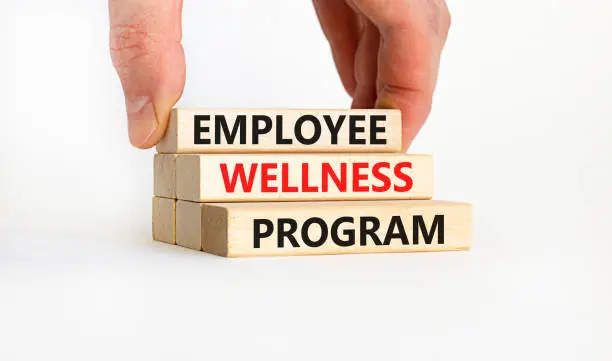
7. Employee Wellness Programs
Burnout is one of the most common and most preventable drivers of turnover. Employees who feel physically exhausted and mentally drained stop performing well long before they actually resign. A strong employee wellness program addresses physical health, mental health, financial stress, and work life balance before these issues push someone out the door.
Our Employee Engagement and Retention service in Houston works with businesses to design wellness structures that are practical, affordable, and built around what employees actually need rather than what looks good in a benefits brochure.
8. Open and Honest Communication
Employees who feel left out of important decisions or kept in the dark about the direction of the business lose trust in leadership quickly. Transparent communication about company performance, changes, and challenges builds the kind of trust that keeps people committed even when things get difficult.
Regular town halls, honest manager conversations, and clear internal communication channels all contribute to a culture where employees feel informed and respected. This kind of environment makes it much harder for a competitor to lure someone away with just a higher salary.
9. Succession Planning and Internal Mobility
One of the strongest signals a company can send to a high performing employee is that their future inside the organization is real and planned. Our succession planning guide covers how to identify high potential employees and build development plans that prepare them for bigger roles over time.
Internal mobility, the ability to move between roles, teams, or departments, also plays a major role in retention. Employees who feel they can grow laterally as well as vertically are far less likely to feel trapped in a role that no longer challenges them. Workforce Planning supports this by mapping out where the business is going and what talent will be needed to get there, so internal moves are planned rather than accidental.
10. Data Driven HR and Regular Feedback
Retention strategies that are never measured are just guesses. Tracking the right HR Metrics like turnover rate, time to fill, employee satisfaction scores, and absenteeism shows which strategies are working and which ones need adjustment. Businesses that check these numbers regularly catch retention problems early, before they show up as a wave of resignations.
Regular employee feedback surveys, stay interviews with current employees, and exit interviews with departing ones all provide the data needed to keep retention efforts relevant and effective. HR Technology Trends are making this easier than ever, with platforms that automate survey distribution, analyze sentiment, and flag at risk employees before they decide to leave.
Retention Strategy Impact at a Glance
Every retention strategy serves a different purpose and works on a different timeline. This table shows what each one delivers and how quickly a growing business can expect to see real results.
| Retention Strategy | Primary Benefit | Time to See Impact |
|---|---|---|
| Competitive Compensation | Reduces salary driven turnover | Immediate |
| Career Growth Paths | Builds long term loyalty | 3 to 6 months |
| Strong Onboarding | Reduces early turnover | Within 90 days |
| Manager Quality | Improves daily engagement | 1 to 3 months |
| Recognition Programs | Boosts morale and daily effort | Immediate |
| Flexible Work Options | Reduces burnout and stress | 1 to 2 months |
| Wellness Programs | Cuts sick days and burnout | 3 to 6 months |
| Open Communication | Builds trust in leadership | 1 to 3 months |
| Succession Planning | Retains high potential employees | 6 to 12 months |
| Data Driven HR | Catches problems before they grow | Ongoing |
Conclusion
No single retention strategy works in isolation. The businesses that keep their best people long term combine competitive pay, strong leadership, visible growth paths, and genuine daily investment in how employees feel at work. Building these strategies into the normal rhythm of the business, rather than launching them as one off programs, is what makes the difference between a company that always struggles with turnover and one that consistently builds strong, stable teams.
InclusivEdge Consulting works with Houston businesses to build employee retention strategies that are practical, connected to real data, and designed to keep the right people in the right roles for the long term.





One Comment